
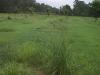
Vaseygrass
Paspalum urvillei
A tall perennial bunchgrass of wet, low areas with hairy nodes and drooping seedhead branches.
Identification
A robust warm-season perennial that grows in erect clumps (bunches), often quite tall, with hairy leaf sheath bases and nodes and a membranous ligule. The seedhead is a tall central axis bearing numerous slender, drooping racemes, each lined with rows of small seeds fringed with silky hairs. Its tall bunching habit and many drooping seedhead branches distinguish it from dallisgrass, which is shorter with fewer, stouter racemes.
Symptoms & Damage
Tall bunchgrass clumps with drooping seedhead branches appear in wet, low roughs, ditches, and thin turf, contrasting in texture.
Biology
A perennial reproducing by seed and expanding crowns; establishes on wet, disturbed sites and persists year to year, producing abundant seed.
Occurrence & Spread
A weed of wet, low areas, ditch banks, roadsides, roughs, and thin warm-season turf in the southern US; favored by moisture, poor drainage, and open, disturbed ground.
Favorable Conditions
Wet, poorly drained, disturbed ground.
Cultural Management
Improve drainage in wet areas and maintain a dense warm-season stand; regular mowing prevents seedheads but does not remove established clumps. Dig out isolated clumps.
Further Reading
University extension resources — open in a new tab.
Related Reports
No published reports yet for this pest.
Reports will appear here as they are peer-reviewed and published.