Moss
Bryum, Hypnum and other genera
Primitive plants that colonize thin, weak turf; an indicator of poor growing conditions rather than a true competitor.
Identification
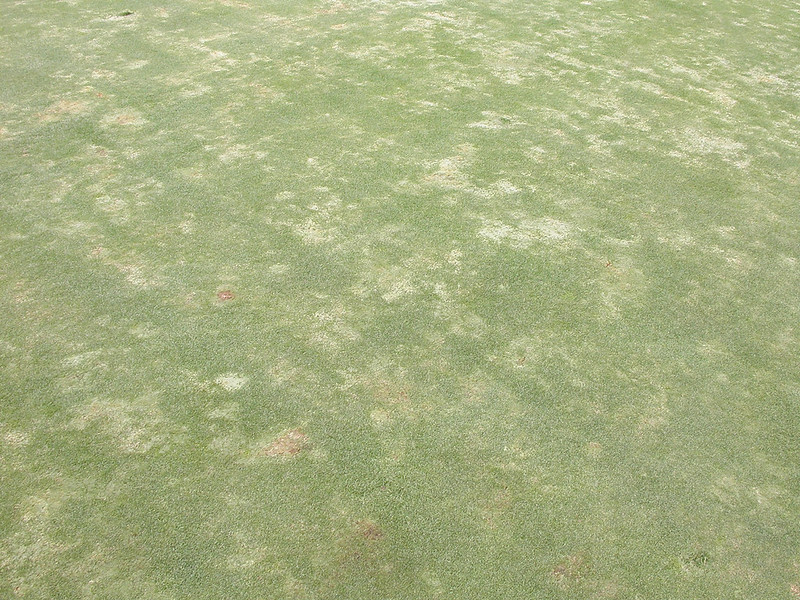
Moss in lawns is a low, dense, green-to-yellow-green velvety or feathery mat made up of many tiny non-vascular plants rather than a single broadleaf or grassy weed. It has no true roots, flowers, or seeds; instead it anchors with thread-like rhizoids and is composed of small leafy shoots that form a soft, spongy carpet hugging the soil surface, often where grass is thin or absent. Mosses are easily distinguished from algae (which form a slimy, scummy film) and from turf weeds by this cushiony, plush growth habit and their occurrence in the shaded, damp, low-vigor spots where grass struggles.
Symptoms & Damage
Moss itself is not aggressive, but its presence marks turf decline: it forms thin, spongy green or brown patches where grass has failed, signaling shade, wetness, compaction, low fertility, or acidic soil; the affected areas are weak and unsightly, lack the durability of turf, and will simply re-form moss unless the underlying conditions are corrected.
Biology
Moss is a non-vascular plant that reproduces by spores rather than seed and spreads vegetatively from fragments and by colonizing the soil surface where conditions allow. It does not compete aggressively with healthy turf; rather, it occupies ground that grass has already failed to hold. It is opportunistic, establishing and persisting wherever the environment favors moss over grass, and going dormant or browning during dry spells only to recover when moisture returns.
Occurrence & Spread
Moss is favored by a predictable set of conditions, usually several acting together: excessive shade, persistent surface moisture, poor drainage, soil compaction, low soil fertility, and acidic (low pH) soil. It appears precisely where turf is weakest, under tree canopies, in low wet spots, on compacted high-traffic ground, and on under-fertilized or over-irrigated lawns. Moss is therefore best understood as a symptom of a site too poor for grass rather than as an invading weed.
Favorable Conditions
Shade, excess moisture, compaction, low fertility, and low/high pH.
Cultural Management
Because moss is a symptom of poor growing conditions, durable control is cultural: increase light by pruning or removing limbs and selecting shade-tolerant grasses such as fine fescues, improve drainage and reduce excess surface moisture by watering deeply and infrequently, relieve compaction by core aerating, raise fertility with a sound fertilization program, and correct acidic soil by liming to the recommended pH based on a soil test. A well-managed lawn with good fertility, drainage, pH, light, and reduced compaction will let grass outcompete and exclude moss; physically raking out moss only opens space for regrowth unless these conditions are fixed.
Further Reading
University extension resources — open in a new tab.
Related Reports
No published reports yet for this pest.
Reports will appear here as they are peer-reviewed and published.