Bentgrass (as weed)
Agrostis capillaris, A. alba, A. canina (creeping bentgrass)
A fine-textured grass species that invades and disrupts uniform turf, especially in Kentucky bluegrass, perennial ryegrass, and tall fescue roughs and fairways.
Identification
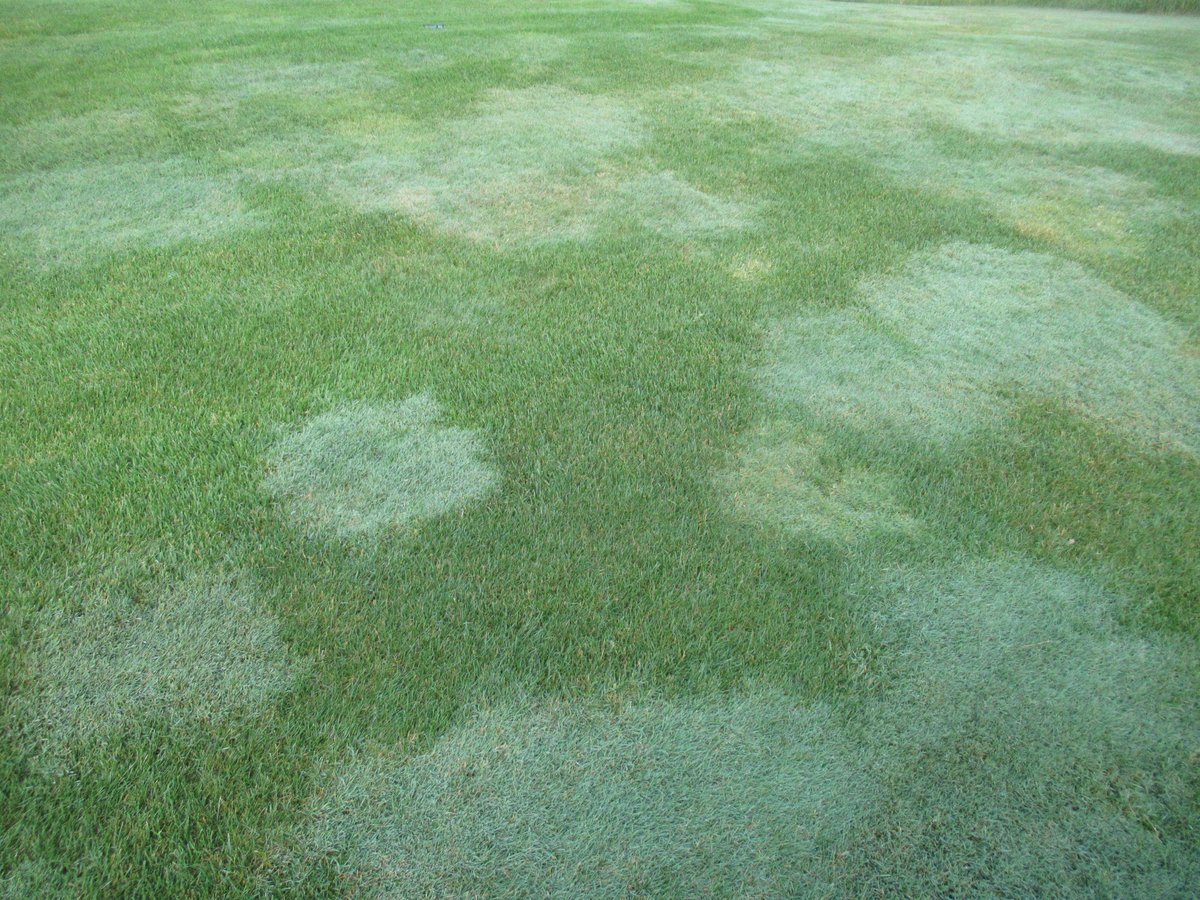
Bentgrass appears as fine-textured, light green patches within coarser turf, with thin leaves and a dense, low-growing habit. Seedheads are fine and wiry, rising above the canopy. Distinguished from desirable turf by its noticeably finer texture and lighter color. Creeping bentgrass has rhizomes and spreads laterally, forming an expanding patch; colonial and velvet bentgrass are bunch-types that form clumps.
Symptoms & Damage
Bentgrass creates a patchwork of fine-textured grass within a coarser turf, disrupting visual uniformity on fairways and roughs. It grows denser and spreads more aggressively than surrounding turf, especially under stress or poor management. Mowing and cultural practices that favor bentgrass over coarser species accelerate the problem. Infested areas may become prone to disease due to dense canopy and poor air circulation.
Biology
Bentgrass species reproduce from seed and vegetatively (via rhizomes in creeping bentgrass). Seeds are produced in abundance and spread by wind, water, and equipment. Creeping bentgrass spreads via horizontal shoots that root at the nodes, creating expanding patches. Once established, bentgrass persists indefinitely and competes aggressively for moisture and nutrients.
Occurrence & Spread
Bentgrass becomes a weed when it invades areas not designed for it, particularly roughs and fairways where coarser, deeper-rooted grasses are desired. It spreads from contaminated seed, equipment, and from adjacent greens or cultivation areas. High-input management (frequent watering, light frequent mowing, high nitrogen) selects for bentgrass, which thrives under these conditions. It is particularly aggressive on compacted, poorly drained sites and may indicate management or drainage issues.
Favorable Conditions
Bentgrass is favored by frequent irrigation, light, frequent mowing (below 0.75 inches), high nitrogen, cool-wet conditions, compaction, and poorly drained soils. It thrives in managed turf under high inputs and spreads in areas where cultural practices select for its growth over coarser grasses.
Cultural Management
Manage cultural practices to favor the desired turf species over bentgrass: raise mowing height (above 0.75 inches for roughs), reduce irrigation frequency and switch to deep, infrequent watering, reduce nitrogen rates especially in spring and fall, and improve drainage and aeration to favor deeper-rooted species. Remove or isolate seed sources from adjacent bentgrass areas. In small patches, hand-removal or targeted postemergence herbicide application is effective before bentgrass establishes extensively. Overseeding with competitive coarse-textured cultivars (tall fescue, ryegrass) helps crowd out bentgrass patches.
Further Reading
University extension resources — open in a new tab.
Related Reports
No published reports yet for this pest.
Reports will appear here as they are peer-reviewed and published.