Wilt (abiotic)
Abiotic stress
Loss of plant turgor and wilting caused by insufficient soil moisture or excessive heat stress, leading to leaf curl and turf decline.
Identification
Leaves appear limp, curled, or rolled; turf takes on a grayish or dull appearance as plants lose color. In early-stage wilt, turf may recover after watering or cool nights, but repeated stress leads to permanent damage and plant death.
Symptoms
Leaf rolling or curling: Leaves tighten in response to water stress, reducing surface area and giving the turf a narrow, thread-like appearance.
Loss of color and vigor: Affected turf turns grayish-green or tan and appears weak and thin.
Poor recovery: Severely wilted plants may not recover fully even with adequate water, and may show necrosis or death.
Epidemiology
Wilt occurs when soil moisture is depleted faster than roots can supply water, or when heat stress causes excessive transpiration. It is most severe on shallow-rooted turf, poorly rooted new seedings, compacted soils, and sandy soils with low water-holding capacity. Repeated drought cycles weaken turf and increase susceptibility to secondary pathogens and wear.
Favorable Conditions
Drought stress, high temperatures, low humidity, excessive evapotranspiration, or shallow-rooted turf on sandy or compacted soils.
Cultural Management
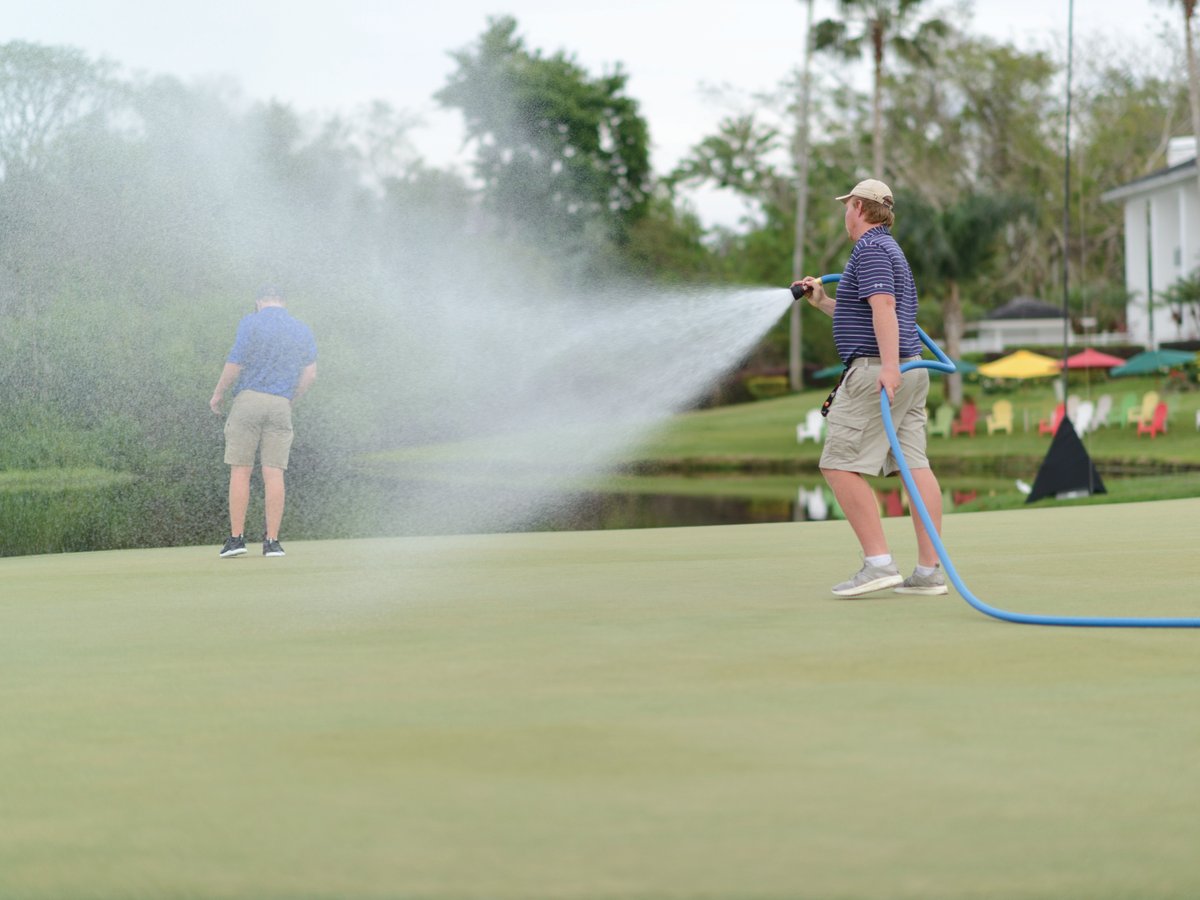
Increase irrigation frequency and duration during hot, dry periods to maintain consistent soil moisture. Apply water deeply and infrequently to encourage deep rooting rather than shallow frequent watering. Improve soil with organic matter to enhance water retention on sandy soils. Relieve compaction to improve root penetration and water infiltration. Reduce mowing stress during drought by raising the height of cut. Apply compost or biochar as root zone amendments to improve water-holding capacity and soil structure. Select drought-tolerant cultivars and species adapted to the climate and site.
Further Reading
University extension resources — open in a new tab.
Related Reports
No published reports yet for this pest.
Reports will appear here as they are peer-reviewed and published.